-1.3 C
New York
Monday, March 2, 2026
Home Blog Page 29

College Football Playoff quarterfinals 2025: Takeaways from every game

0


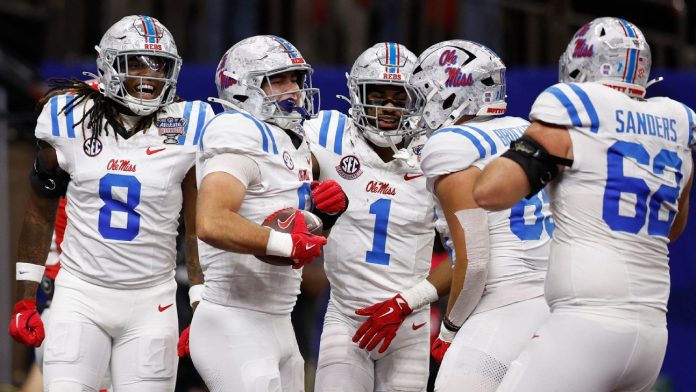
The second edition of the College Football Playoff quarterfinals gave us two classics and two statement wins. On Wednesday in the Goodyear Cotton Bowl Classic, No. 10 Miami rode an early 14-0 burst and a clutch late touchdown drive to a 24-14 upset of No. 2 Ohio State. The Hurricanes advanced to the semis to face No. 6 Ole Miss, which won an incredible back-and-forth Allstate Sugar Bowl 39-34 over No. 3 Georgia on Thursday night.

On the opposite side of the bracket, in Thursday’s first two games, No. 5 Oregon, a 2.5-point favorite over No. 4 Texas Tech, countered a brilliant defensive performance with an even better defensive performance in a 23-0 shutout in the Capital One Orange Bowl. Then, in Pasadena at the Rose Bowl Game Presented by Prudential, No. 1 Indiana throttled No. 9 Alabama 38-3. We have three first-time CFP semifinalists, and the only team that has been here before (Oregon) is looking for its first national title. We are living in wild times in this college football universe.

Here are the key plays and takeaways for each game.

Jump to a game: Ole Miss-Georgia | Alabama-Indiana | Oregon-Texas Tech | Miami-Ohio State

What just happened?

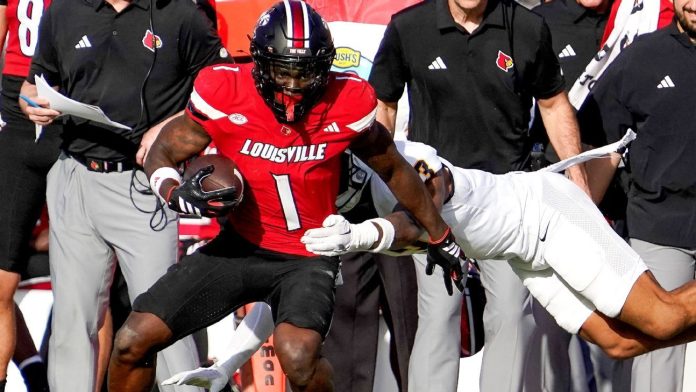
Ole Miss scored 20 fourth-quarter points, avenged its only regular-season loss and advanced to the CFP semifinals for the first time. Trinidad Chambliss threw for 362 yards and two touchdowns, two different Rebels players topped 120 receiving yards, the Rebels’ defense made a huge late stop, and Lucas Carneiro absolutely crushed three big field goals, including the game-winning 47-yarder with six seconds left.

After a slow start, Georgia used a 21-6 run to take a nine-point halftime lead. Running backs Nate Frazier and Cash Jones combined for 124 yards on 14 touches to pace a physical attack. However, the Bulldogs scored only three points on their first four second-half possessions, and some magical scrambles from Chambliss and a couple of touchdowns from Kewan Lacy allowed Ole Miss to take a 34-24 lead early in the fourth quarter. Georgia responded, as the Dawgs always do, quickly driving for a score, getting the ball back (with help from a dreadful face mask non-call) and driving again. But Ole Miss stiffened and forced a Peyton Woodring field goal with 56 seconds left, and a 40-yard bomb from Chambliss to De’Zhaun Stribling set up Carneiro’s game winner.

Impact plays

It felt like this game had as many huge win probability changes as all the other quarterfinals combined. The first big one came late in the first half, when Lacy fumbled and Daylen Everette returned it 47 yards for a touchdown. That produced a 21% swing and gave Georgia a 21-12 halftime lead after Ole Miss botched a shot at a late field goal. The odds continued to favor the Dawgs through the third quarter, with help from a fake punt that helped to set up a field goal and a 24-19 Georgia advantage.

The fourth quarter was a roller coaster. Ole Miss’ win probability at the start of the quarter was just 24.2%, but it zipped past 50% after Chambliss threw a gorgeous 44-yard pass to Harrison Wallace III and a Lacy TD gave the Rebels a 27-24 lead. Georgia went for it on fourth-and-2 at its own 33, but Suntarine Perkins sacked Gunner Stockton and recovered a fumble. Chambliss found Wallace for another TD, and it was 34-24 Rebels. Win probability: 89.7%.

Eight minutes later, Ole Miss’ win probability was back down to 31.8% when Georgia had a first-and-goal down 34-31, but the Rebels forced a field goal, and the 40-yard bomb to Stribling was worth 28.2% win probability — from 47.3% to 75.5%. So many wild swings. What a game.

See you next fall, Dawgs

In a way, Georgia was ahead of schedule. With a first-year starting quarterback (Stockton), a sophomore star running back (Frazier), a new offensive line and a defense undergoing massive turnover for the second straight season, the Dawgs almost lost twice in September and didn’t show a ton of national title upside. But the defense rounded into beautiful form late in the season, the Dawgs won their second straight SEC title, and they hit the CFP looking like a contender. But their second game against Ole Miss was even wilder than their first (a 43-35 UGA win), and though they usually win brawls, they couldn’t win this one.

It sure seems like they’re going to return a lot in 2026, though, especially on a defense that unearthed quite a few young stars. The 2021-22 champs are going to be disappointed with a second straight quarterfinal defeat, but they’re going to be right back in the mix a year from now.

What’s next

Either Ole Miss or Miami will play for the national title. What a world we live in. The Rebels and Hurricanes will meet in the Vrbo Fiesta Bowl next Thursday. It’s the first semifinal for both teams. Miami won their last meeting, but since it happened in 1950, I’m guessing it won’t have much bearing on this one.

At first glance, this matchup is as fascinating as it is rare. Miami’s defensive front has dominated of late, and it will be interesting to see if the Rebels can get Lacy going, but Chambliss might be the best dual-threat QB in the country at the moment, and his escapability could come in handy against Rueben Bain Jr. and Akheem Mesidor. Meanwhile, Miami’s power running might find success, but if the Rebels stiffen well in key moments again, they could force field goals and find the edge. Either way, the lower half of the bracket is going to produce a team playing for its first title in either 24 years (Miami) or 63 years (Ole Miss).


What just happened?

The No. 1 team played like the No. 1 team. With Ohio State’s upset loss, Indiana became a significant national title favorite, and the Hoosiers weren’t about to let a three-loss underdog get in their way. After an initial three-and-out, the Hoosiers scored on six of their next seven possessions, and they didn’t allow the Crimson Tide to score until late in the third quarter, after they had knocked Bama quarterback Ty Simpson out of the game. In the end, IU’s first Rose Bowl trip in 58 years ended like most Indiana games this season: with backup quarterback Alberto Mendoza playing.

Impact plays

This game didn’t have many impact plays; it was just comprehensive domination, and it started pretty early. Heisman winner Fernando Mendoza was sacked on two of IU’s first three plays, but the Hoosiers established their efficiency game — lots of power running, lots of quick passing — in a nearly nine-minute field goal drive. The Hoosiers’ defense then stuffed a fourth-and-1 attempt, Mendoza completed a 21-yard touchdown pass to Charlie Becker, and IU was off and running. Mendoza hit Omar Cooper Jr. for another score right before halftime, then found Elijah Sarratt at the end of another long drive in the third quarter. And after Bama’s lone field goal, Kaelon Black and Roman Hemby broke into the open for touchdown runs.

I wrote in the quarterfinal preview that Bama could put itself in position for an upset if the Tide slowed the Hoosiers’ run game, if Simpson had some time in the pocket and if they took advantage of fourth-down opportunities. Black and Hemby combined for 188 rushing yards, Simpson had to check down constantly because of pressure and good coverage (his 12 completions gained just 67 yards), and the Tide went 0-for-2 on fourth downs. Hence the blowout.

See you next fall, Tide

I also wrote in the preview that Alabama played like a scrappy underdog, winning on the margins and gutting out close games. It took a 4-1 record in one-score games — and, yes, a friendly CFP committee that chose not to drop the Tide in the rankings after their blowout loss in the SEC championship game — to get them to the quarterfinals, but it wasn’t the first time a Kalen DeBoer team knew how to gut out tough wins. He’s pretty good at game management.

A team with Bama’s blue-chip talent, however, shouldn’t have to rely on scrappy play and game management (even if it’s nice to know you can). The Tide never established a ground game this season — Alabama backs had just eight carries for 15 yards Thursday — and Simpson seemed to wear down late in the season after having to carry the brunt of the production. The defense was very good but not elite, and against top-four teams in the SEC title game (Georgia) and Rose Bowl (IU), the Tide lost by a combined score of 66-10. Bama has maintained a high level since DeBoer took over for Nick Saban two seasons ago, but the Tide still underachieved a bit. It will be fascinating to see what DeBoer does to close the gap between production and expectation.

What’s next

Curt Cignetti’s Hoosiers have aced just about every test they’ve been given this season, and now they face a new test: a rematch. They’ll play Oregon in the Peach Bowl on Jan. 9; the Hoosiers won 30-20 in Eugene on Oct. 11; Oregon’s Brandon Finney Jr. scored on a 35-yard pick-six to tie the score for the Ducks early in the fourth quarter, but a Mendoza-to-Sarratt touchdown put IU ahead with 6:23 left, and after an immediate interception, IU sealed the win with a short field goal.

The Hoosiers outgained the Ducks by 59 yards (and 0.6 yards per play) and controlled the second half, but with two playoff wins by a combined 40 points, Oregon is in fine form. Both teams play fast, physical ball, and though Indiana will be deservedly favored, it should be a hell of a contest.


What just happened?

Oregon kicked a field goal in the first quarter, and the game was over. Basically. Tech’s defense played heroic ball, but the Ducks dominated the Red Raiders’ offense so thoroughly that nothing else mattered. Oregon allowed just 215 total yards, with four turnovers and three turnovers on downs; its offense’s only touchdowns came on drives of 6 and 28 yards, and it still hasn’t done much damage against elite defenses in 2025. But the Ducks’ own elite defense carried the day.

Impact plays

With the Red Raiders’ offense so ineffective, they needed some serious turnover luck to have a chance. Instead, Oregon recovered all five of the game’s fumbles — three of its own and both of Tech’s — and that removed all hope. Despite allowing just 88 yards in the first half, the Ducks led only 6-0 when Matayo Uiagalelei changed the game with a strip sack of Behren Morton. He grabbed the ball himself and took it to the Tech 6, setting up the first of two short Jordon Davison touchdowns.

play

0:35

Oregon forces a fumble to set up a Jordon Davison TD

Oregon extends their lead after a forced fumble leads to a 6-yard touchdown run from Jordon Davison.

Oregon’s win probability jumped from 70.2% to 85.9% in those two plays, and although Tech responded with two solid, sustained drives, the first ended when the Red Raiders’ line got blown up on a fourth-and-1 run by J’Koby Williams, and the second ended when Morton threw a poor pass into double coverage and it was easily picked by Brandon Finney Jr. Finney picked off two passes and recovered a fumble. The freshman corner was brilliant.

See you next fall, Red Raiders

Here’s a sampling of the notes I took when Tech had the ball:

Another Tech 3&O (three-and-out), and Morton’s sacked for 17-yard loss by Tuioti. Yikes. (Yards: Oregon 100, Tech -2.)

Everything I hoped for from the UO O vs TT D matchup, but Tech’s O hasn’t shown up.

Awful pick from Morton to Brandon Finney. Woof. Oregon starts at the TT 33.

HUGE 50-yard cutback run by Williams but 3&O from there. Stone Harrington hooks a 54-yarder wide left.

Morton makes a couple of 3rd down completions to dig out of hole, but Cameron Dickey fumbles. Jeez. Oregon ball at the TT 29.

3&O for Tech, of course.

Another 3&O to start Q3: run stuff, pass batted down, short pass, punt returned by Malik Benson into Tech territory. Guh.

Run stuff, dropped screen (iffy pass), sack-and-strip for Uiagalelei. Good lord.

When I asked if we could trust the Tech offense in the quarterfinal preview, I didn’t expect such a resounding answer. Both offense and special teams imploded, leaving coach Joey McGuire with a pretty clear glimpse of the state of his program. Loading up on brilliant transfer defenders led to a Big 12 title and a first playoff bid, and so many stars made plays in Miami: Edge rusher David Bailey had two TFLs (one sack) and two pass breakups, tackle Lee Hunter had two TFLs, linebacker Ben Roberts had another interception to go with the pair he snagged in the Big 12 championship game (he was in on 16 tackles, and Jacob Rodriguez was in on 11). Tech held Oregon to just 3.8 yards per play. The defense did its job. But the offensive line couldn’t move Oregon’s defensive front, and Morton — who entered with the lowest Total QBR of any quarterfinal quarterback — was not up for the moment. For Tech to both return to this stage and perform better the next time around, those expensive deficiencies must be addressed.

Still, this was an incredible breakthrough season for the Red Raiders, and for all the stories about how much they spent, they most certainly got their money’s worth. The Big 12 has looked great in bowl season, and Tech was by far its best team, even if only one unit showed up in Miami.

What’s next

Oregon now gets a revenge opportunity: A Peach Bowl rematch against Indiana. The Ducks’ offense will face burden of proof in the matchup — they averaged just 4.2 yards per play against IU the first time around 3.8 against Tech — but the defense will likely be up for the challenge.


What just happened?

Miami combined steady and efficient offense with a 72-yard Keionte Scott pick-six to race to a 14-0 lead, and when Ohio State rallied to get to within 17-14 in the second half, the Hurricanes responded with a perfect five-minute, 70-yard touchdown drive to ice the game.

Miami’s defense dominated early. Star ends Rueben Bain Jr. and Akheem Mesidor combined for three sacks in the first half, and Ohio State punted on four of its first five drives. After Julian Sayin hit Jeremiah Smith for a 59-yard bomb in the second quarter, Scott pounced on a telegraphed screen pass and took it the other way for a score.

The second half was a battle of toughness. Ohio State established a solid run game and got a few more big catches from Smith — he finished with seven catches for 157 yards and a touchdown — and crawled back to within 17-14. But Miami dusted off burly North Dakota State transfer CharMar Brown; in his first six touches of the CFP, he gained 31 yards. After the Hurricanes pulled off third-and-4 and third-and-3 conversions, Brown scored from 5 yards with 55 seconds left. Jakobe Thomas‘ interception sealed the upset.

Impact plays

Miami controlled the early going, but a Mark Fletcher Jr. fumble prevented the Canes from taking a quick lead. He made up for it with a 9-yard touchdown catch off of a faked Carson Beck sneak, and Scott’s pick-six shifted the odds in the Hurricanes’ favor.

play

0:35

Miami stuns Buckeyes with a 72-yard pick-six

Miami’s Keionte Scott intercepts Julian Sayin and takes it 72 yards to the house for the Hurricanes.

After cutting Miami’s lead to 17-14, Smith caught a huge, 16-yard pass on third-and-15 as the clock ticked under eight minutes. But a holding penalty — the first accepted penalty of the game — forced the Buckeyes backward. After a 53-yard punt was nullified by an illegal formation penalty, a shorter punt set up Miami at the 30. The Hurricanes basically iced the game with a lovely, 13-yard screen pass to CJ Daniels on third downs (he moved the chains three times on third downs), but Brown’s touchdown officially sealed it.

See you next fall, Buckeyes

Ohio State’s season was almost perfectly crafted for another national title run. The Buckeyes survived a rock fight against Texas in Week 1, then won their next 11 games by an average of 39-8. And though they lost to Indiana in the Big Ten championship game, they were still set up beautifully for a title run. Instead, they failed to offset a growing trend. In the first five quarterfinal games of the 12-team playoff era, the teams that had a first-round bye have fallen behind by scores of 14-0 (Boise State vs. Penn State), 34-0 (Oregon vs. Ohio State), 17-3 (Arizona State vs. Texas), 20-3 (Georgia vs. Notre Dame) and now 14-0 (Ohio State vs. Miami). The first-round bye, combined with a neutral site bowl, haven’t yet proved to be any sort of reward. Miami took the fight to the rusty Buckeyes early and was rewarded for it.

Ohio State heads into 2026 in perfectly solid shape, of course. Sayin will return after throwing for 3,610 yards and 32 touchdowns in 2025 (he had 287 and one TD on Wednesday night), and the major stars in the skill corps — Smith and running back Bo Jackson (11 carries for 55 yards) — should be back as well. The Buckeyes are built to compete every year in a 12-team playoff era.

Still, a missed opportunity is a missed opportunity. After looking like the best team in the country for 12 games, the Buckeyes finished 2025 with back-to-back losses, and as Miami made this game a test of physicality and toughness, Ohio State couldn’t respond appropriately.

What’s next

After becoming the first double-digit seed to win a playoff game, Miami has now become the first to reach a semifinal as well. It was very much in doubt whether Mario Cristobal’s Hurricanes would make the CFP at all, but they’ve made the most of the opportunity. They’ll play Ole Miss in the Vrbo Fiesta Bowl.

This was, quite simply, the biggest Miami win since 2002. With loads of former Hurricanes greats on the sideline — from Michael Irvin, to Ray Lewis, to former coach Jimmie Johnson — college football’s history was very much present in Arlington. And the Hurricanes managed to overcome both recent ghosts and Ohio State’s talent to survive and advance.
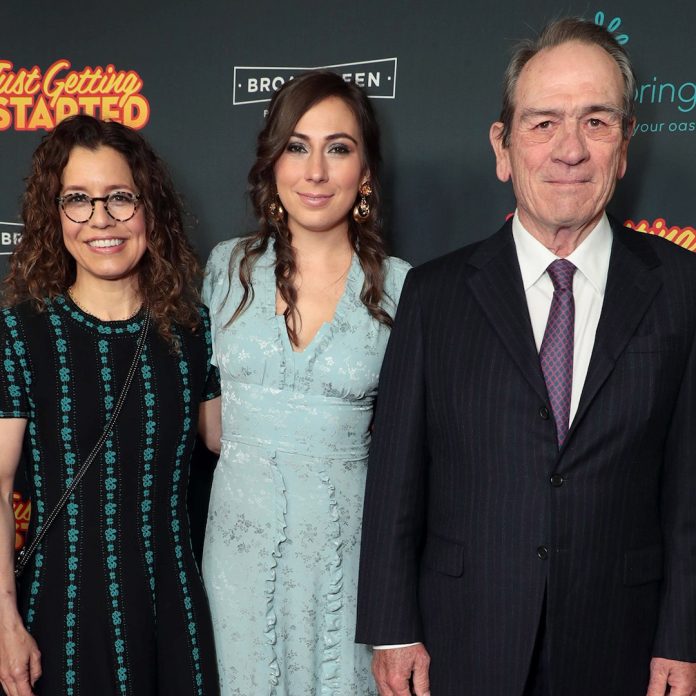
Tommy Lee Jones on Daughter Victoria Jones’ Death

0


In fact, his bond with Victoria was one of the inspirations behind The Homesman, a Western exploring sexism in the 1800s that he wrote, directed and starred in.

“My grandmother, my mother, my wife, and my daughter are all women,” Tommy Lee, who married Dawn Laurel-Jones in 2001, told costar Meryl Streep in a 2014 Interview magazine conversation. “A lot of my dear friends, yourself included, are women. I am just interested in how they feel, and what’s wrong. And if you want to know what’s wrong today, looking at what was wrong yesterday is a pretty good place to start.”

“There’s an undeniable tradition of sexism in this country that ties into the move westward by people of European descent, and different ways of looking at Manifest Destiny on the west side of the Mississippi River,” he continued. “So those struggles and what made them a struggle is of interest to me.”

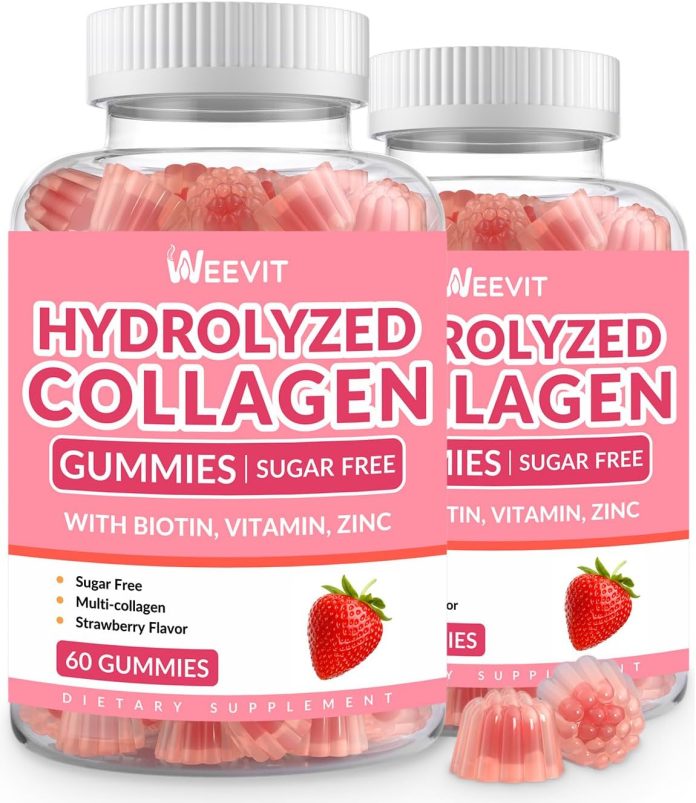
Sugar Free Collagen Gummies for Women, Collagen Protein Type I,II,III,V,X with Biotin Vitamin C D B12, Hydrolyzed Collagen Peptides Gummies for Immune Digestion Skin Hair Nails Energy Bone

0


Price: $29.99
(as of Jan 03, 2026 09:14:41 UTC – Details)

Product description

collagen gummiescollagen gummies

Collagen Gummies for womenCollagen Gummies for women

Collagen for womenCollagen for women

CollagenCollagen

Collagen peptides gummiesCollagen peptides gummies

Product Dimensions ‏ : ‎ 5.08 x 2.48 x 4.18 inches; 1.08 Pounds
Date First Available ‏ : ‎ January 16, 2024
Manufacturer ‏ : ‎ WEEVIT
ASIN ‏ : ‎ B0CSFTSSR8
Best Sellers Rank: #19,625 in Health & Household (See Top 100 in Health & Household) #187 in Collagen Supplements
Customer Reviews: 4.5 4.5 out of 5 stars (558) var dpAcrHasRegisteredArcLinkClickAction; P.when(‘A’, ‘ready’).execute(function(A) { if (dpAcrHasRegisteredArcLinkClickAction !== true) { dpAcrHasRegisteredArcLinkClickAction = true; A.declarative( ‘acrLink-click-metrics’, ‘click’, { “allowLinkDefault”: true }, function (event) { if (window.ue) { ue.count(“acrLinkClickCount”, (ue.count(“acrLinkClickCount”) || 0) + 1); } } ); } }); P.when(‘A’, ‘cf’).execute(function(A) { A.declarative(‘acrStarsLink-click-metrics’, ‘click’, { “allowLinkDefault” : true }, function(event){ if(window.ue) { ue.count(“acrStarsLinkWithPopoverClickCount”, (ue.count(“acrStarsLinkWithPopoverClickCount”) || 0) + 1); } }); });
STRONG ANTIOXIDANT & HAIR, NAILS: Hydrolyzed collagen gummies containing biotin,vitamin C D B12, which can be completely and effectively absorbed and nourish skin. Vitamin C is a good antioxidant that can reduce free radicals and maintain collagen, thereby delaying skin aging. Our collagen biotin vitamins for stronger nails and provide nutrients to your hair!
VITALITY & YOUTHFUL SKIN: How to get the secret of youthful complexion? Our Collagen gummy is your best choose! Each serving of the gummies contains vitamin C,Biotin.Vitamin C helps to enhance collagen production. Biotin, also known as vitamin B7, it assists the body in maintaining well-being eyes, hair, and skin. Rejuvenate your youthful again and look radiantly beautiful from the inside out!
STRENGTHEN NAILS & BONES: Our collagen gummies feature of Multi-collagen blend, this collagen peptides gummies include all 5 types of collagen hydrolysateI, II, III, V & X and Multvitamins. It can building strong muscles, bones & nails, anti-aging, boosting energy, metab0lism and promoting brain function.
NATURAL | ZERO SUGAR: These collagen gummies for women are made from plant-based pectin, organic, sugar free, NON-GMO, Gluten-free & Gelatin-free, safe for women, men. Making the collagen gummy an enjoyable part of your daily routine – You will embrace a more vibrant lifestyle while enjoying delicious collagen gummies.
CONVENIENT: Our collagen for women gummies are a convenient and delicious way to incorporate collagen into your daily routine. no food or water needed. Just pop the collagen gummy in your mouth and enjoy the delightful flavor.

Customers say

Customers find these collagen gummies delicious and appreciate that they’re sugar-free, with one noting they’re a better alternative to candy. Moreover, they report positive effects on hair and nails, with multiple customers mentioning their nails growing stronger and hair growing faster. The gummies work well and receive positive feedback for their quality. However, customers have mixed opinions about the firmness, with some finding them too hard, and while many find them easy to chew, others disagree. Additionally, customers appreciate that the gummies don’t stick together.

2026 men’s Olympic hockey: Schedule, rosters, how to watch

0


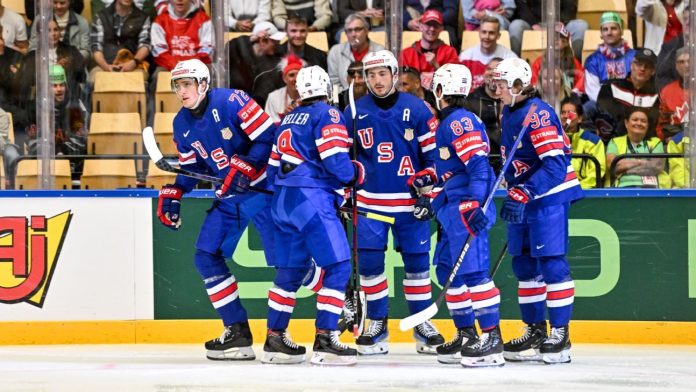
After two consecutive Olympic Games with no NHL players competing, the world’s top professional hockey league is back for the Milan-Cortina Games.

While the opening ceremonies for the Games is Feb. 6, the men’s ice hockey tournament does not begin until Feb. 11. In addition to the rivals United States and Canada, 10 other teams will be competing.

Group A consists of Canada, Switzerland, Czechia and France; Group B includes Finland, Sweden, Slovia and Italy; Group C is the U.S., Germany, Latvia and Denmark.

Read on for full coverage of the event, including rosters, a full game schedule, the latest Olympic hockey news and broadcast information from the round-robin games all the way through to the medal round.

More: Olympics home
Roster grades
Everything you need to know

Game schedule

Note: All times Eastern.

Wednesday, Feb. 11

Group B
Slovakia vs. Finland | 10:40 a.m.
Sweden vs. Italy | 3:10 p.m.

Thursday, Feb. 12

Group A
Switzerland vs. France | 6:10 a.m.
Czechia vs. Canada | 10:40 a.m.

Group C
Latvia vs. USA | 3:10 p.m.
Germany vs. Denmark | 3:10 p.m.

Friday, Feb. 13

Group B
Finland vs. Sweden | 6:10 a.m.
Italy vs. Slovakia | 6:10 a.m.

Group A
France vs. Czechia | 10:40 a.m.
Canada vs. Switzerland | 3:10 p.m.

Saturday, Feb. 14

Group B
Sweden vs. Slovakia | 6:10 a.m.
Finland vs. Italy | 10:40 a.m.

Group C
Germany vs. Latvia | 6:10 a.m.
USA vs. Denmark | 3:10 p.m.

Sunday, Feb. 15

Group A
Switzerland vs. Czechia | 6:10 a.m.
Canada vs. France | 10:40 a.m.

Group C
USA vs. Germany | 3:10 p.m.
Denmark vs. Latvia | 3:10 p.m.

Tuesday, Feb. 17

Qualification playoff matchups

Wednesday, Feb. 18

Quarterfinal matchups

Friday, Feb. 20

Semifinal matchups

Saturday, Feb. 21

Bronze medal game | 2:40 p.m.

Sunday, Feb. 22

Gold medal game | 8:10 a.m.

Team rosters

Note: Countries listed alphabetically, and players on each team listed alphabetically by position. Teams included for NHL players.

Canada

Forwards: Macklin Celebrini (San Jose Sharks), Anthony Cirelli (Tampa Bay Lightning), Sidney Crosby (Pittsburgh Penguins), Brandon Hagel (Tampa Bay Lightning), Bo Horvat (New York Islanders), Nathan MacKinnon (Colorado Avalanche), Brad Marchand (Florida Panthers), Mitch Marner (Vegas Golden Knights), Connor McDavid (Edmonton Oilers), Brayden Point (Tampa Bay Lightning), Sam Reinhart (Florida Panthers), Mark Stone (Vegas Golden Knights), Nick Suzuki (Montreal Canadiens), Tom Wilson (Washington Capitals)

Defensemen: Drew Doughty (Los Angeles Kings), Thomas Harley (Dallas Stars), Cale Makar (Colorado Avalanche), Josh Morrissey (Winnipeg Jets), Colton Parayko (St. Louis Blues), Travis Sanheim (Philadelphia Flyers), Shea Theodore (Vegas Golden Knights), Devon Toews (Colorado Avalanche)

Goaltenders: Jordan Binnington (St. Louis Blues), Darcy Kuemper (Los Angeles Kings), Logan Thompson (Washington Capitals)


Czechia

Forwards: TBD

Defensemen: TBD

Goaltenders: TBD


Denmark

Forwards: TBD

Defensemen: TBD

Goaltenders: TBD


Finland

Forwards: Sebastian Aho (Carolina Hurricanes), Joel Armia (Los Angeles Kings), Mikael Granlund (Anaheim Ducks), Erik Haula (Nashville Predators), Roope Hintz (Dallas Stars), Kaapo Kakko (Seattle Kraken), Oliver Kapanen (Montreal Canadiens), Joel Kiviranta (Colorado Avalanche), Artturi Lehkonen (Colorado Avalanche), Anton Lundell (Florida Panthers), Eetu Luostarinen (Florida Panthers), Mikko Rantanen (Dallas Stars), Teuvo Teravainen (Chicago Blackhawks), Eeli Tolvanen (Seattle Kraken)

Defensemen: Miro Heiskanen (Dallas Stars), Henri Jokiharju (Boston Bruins), Mikko Lehtonen, Esa Lindell (Dallas Stars), Olli Maatta (Utah Mammoth), Nikolas Matinpalo (Ottawa Senators), Niko Mikkola (Florida Panthers), Rasmus Ristolainen (Philadelphia Flyers)

Goaltenders: Ukko-Pekka Luukkonen (Buffalo Sabres), Kevin Lankinen (Vancouver Canucks), Juuse Saros (Nashville Predators)


France

Forwards: Justin Addamo, Pierre-Edouard Bellemare, Charles Bertrand, Louis Boudon, Kevin Bozon, Stephane Da Costa, Aurelien Dair, Flordan Douay, Dylan Fabre, Jordann Perret, Anthony Rech, Nicolas Ritz, Sacha Treille

Defensemen: Yohann Auvitu, Jules Boscq, Enzo Cantagallo, Florian Chakiachvili, Pierre Crinon, Hugo Gallet, Enzo Gueby, Thomas Thiry

Goaltenders: Julian Junca, Martin Neckar, Antoine Keller


Germany

Forwards: TBD

Defensemen: TBD

Goaltenders: TBD


Italy

Forwards: TBD

Defensemen: TBD

Goaltenders: TBD


Latvia

Forwards: TBD

Defensemen: TBD

Goaltenders: TBD


Slovakia

Forwards: TBD

Defensemen: TBD

Goaltenders: TBD


Sweden

Forwards: Jesper Bratt (New Jersey Devils), Leo Carlsson (Anaheim Ducks), Joel Eriksson Ek (Minnesota Wild), Filip Forsberg (Nashville Predators), Pontus Holmberg (Tampa Bay Lightning), Adrian Kempe (Los Angeles Kings), Gabriel Landeskog (Colorado Avalanche), Elias Lindholm (Boston Bruins), William Nylander (Toronto Maple Leafs), Elias Pettersson (Vancouver Canucks), Rickard Rakell (Pittsburgh Penguins), Lucas Raymond (Detroit Red Wings), Alexander Wennberg (San Jose Sharks), Mika Zibanejad (New York Rangers)

Defensemen: Rasmus Andersson (Calgary Flames), Philip Broberg (St. Louis Blues), Jonas Brodin (Minnesota Wild), Rasmus Dahlin (Buffalo Sabres), Oliver Ekman-Larsson (Toronto Maple Leafs), Gustav Forsling (Florida Panthers), Victor Hedman (Tampa Bay Lightning), Erik Karlsson (Pittsburgh Penguins)

Goaltenders: Filip Gustavsson (Minnesota Wild), Jacob Markstrom (New Jersey Devils), Jesper Wallstedt (Minnesota Wild)


Switzerland

Forwards: TBD

Defensemen: TBD

Goaltenders: TBD


United States of America

Forwards: Matt Boldy (Minnesota Wild), Kyle Connor (Winnipeg Jets), Jack Eichel (Vegas Golden Knights), Jake Guentzel (Tampa Bay Lightning), Jack Hughes (New Jersey Devils), Clayton Keller (Utah Mammoth), Dylan Larkin (Detroit Red Wings), Auston Matthews (Toronto Maple Leafs), J.T. Miller (New York Rangers), Brock Nelson (Colorado Avalanche), Tage Thompson (Buffalo Sabres), Brady Tkachuk (Ottawa Senators), Matthew Tkachuk (Florida Panthers), Vincent Trocheck (New York Rangers)

Defensemen: Brock Faber (Minnesota Wild), Noah Hanifin (Vegas Golden Knights), Quinn Hughes (Minnesota Wild), Seth Jones (Florida Panthers), Charlie McAvoy (Boston Bruins), Jake Sanderson (Ottawa Senators), Jaccob Slavin (Carolina Hurricanes), Zach Werenski (Columbus Blue Jackets)

Goaltenders: Connor Hellebuyck (Winnipeg Jets), Jake Oettinger (Dallas Stars), Jeremy Swayman (Boston Bruins)

Latest Olympic hockey news

Olympic hockey betting odds

U.S. picks 4 Nations-heavy Olympic roster, minus Kreider, Fox

Finland, Sweden unveil men’s hockey rosters for Winter Games

Celebrini joins star-studded Team Canada roster

Bettman: Slow construction of Milan Cortina rink ‘disappointing’

Bill Daly: If Olympic ice unsafe, NHL players won’t take part

LG announces the ‘world’s lightest 17-inch RTX laptop’

0


LG is teasing the 2026 Gram Pro laptops that will be fully unveiled at CES, including what the company claims is the “world’s lightest 17-inch RTX laptop.” The LG Gram Pro 17 (17Z90UR) and Gram Pro 16 (16Z90U) will introduce a new ultralight “Aerominum material” developed by LG that aims to reduce a laptop’s weight while reinforcing strength and scratch resistance.

The LG Gram Pro 17 will feature a 2,560 x 1600 display, paired with Nvidia’s RTX 5050 laptop GPU that has just 8GB of VRAM. LG claims it will still provide “ample performance for graphics-intensive tasks, content creation, and gaming.” You won’t be able to run most modern games at maxed-out settings in a playable state though, so you shouldn’t consider the Gram Pro 17 as a dedicated gaming laptop. LG hasn’t revealed how much the Gram Pro 17 will actually weigh, but notes that it will be exclusive to the US at launch.

We also don’t know the weight of the Gram Pro 16 yet — which features a 2,880 x 1,800 OLED display and Intel’s latest Core Ultra processors — but LG similarly says that this will be “the lightest 16-inch laptop in its class to feature both on-device and cloud-based AI.” The price and release dates for both laptops haven’t been announced yet, but LG might be holding this back until the official CES launch next week.

Kourtney Kardashian, Penelope Disick on Gilmore Girls Set

0


Kourtney Kardashian’s Daughter Penelope, 13, Looks All Grown Up During ‘Gilmore Girls’ Set Visit

Where Kourtney Kardashian leads, her daughter Penelope Disick will follow.

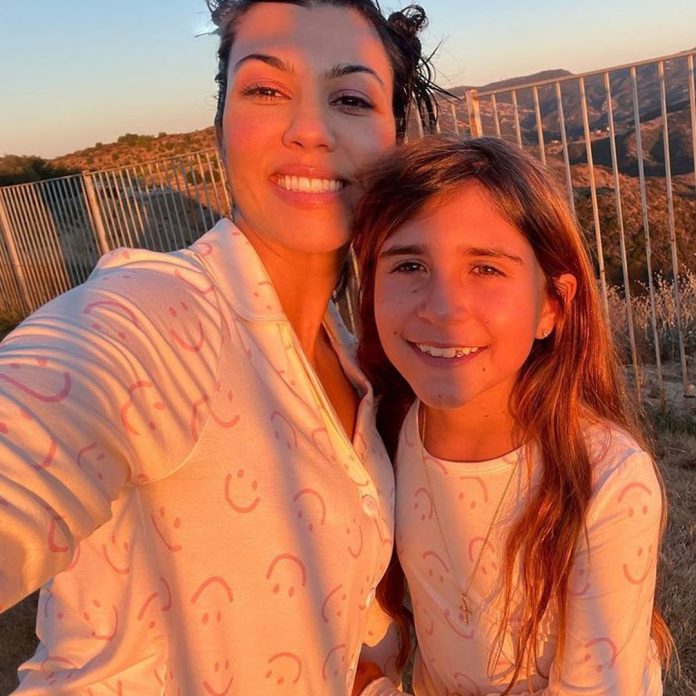
The Kardashians star was joined by the 13-year-old, who she shares with ex Scott Disick, during a recent visit to the Gilmore Girls set located on the Warner Bros. Studios backlot in Burbank, Calif.

Kourtney, 46, and Penelope made it a girls trip as they explored Stars Hollow, grabbing coffee at Luke’s Diner and popping into Doose’s Market in the fictional town.

But by the time the pair hit up Miss Patty’s School of Ballet, it was clear that Penelope had some height over her five-foot mom. Though the teen opted to wear flat sneakers, she still towered over Kourtney, who donned heeled booties.

Sharing pictures from their family outing, Kourtney wrote on Instagram Dec. 31 in reference to Lauren Graham and Alexis Bledel‘s mother-daughter characters, “The Rory to my Lorelai.”

And like many parents, the Poosh founder can’t help but to marvel at how fast time has passed.


MaryRuth Organics Collagen Booster Liposomal, Sugar Free, Liquid Collagen Booster with Vitamin C, Vitamin E, Zinc, Copper & Silica, Skin Care & Joint Support Supplement, Vegan, Non-GMO, 7.6 Fl Oz

0


Price: $24.99
(as of Jan 02, 2026 10:08:27 UTC – Details)

From the brand

New-Brand-Story-BG-FEB2024New-Brand-Story-BG-FEB2024

Liquid Morning Multi & Liquid Nighttime MultimineralLiquid Morning Multi & Liquid Nighttime Multimineral

Liquid Morning MultivitaminLiquid Morning Multivitamin

Clean Label Project CertifiedClean Label Project Certified

Explore Our Best Sellers!

Certified B CorporationCertified B Corporation

Made for Kids!

Good Manufacturing PracticeGood Manufacturing Practice

Morning Multi Hair GrowthMorning Multi Hair Growth

Customer Favorites!

Product Dimensions ‏ : ‎ 0.1 x 0.1 x 0.1 inches; 7.6 ounces
Date First Available ‏ : ‎ August 17, 2022
Manufacturer ‏ : ‎ MaryRuth Organics
ASIN ‏ : ‎ B0BB112QJR
Best Sellers Rank: #18,765 in Health & Household (See Top 100 in Health & Household) #174 in Collagen Supplements
Customer Reviews: 4.3 4.3 out of 5 stars (1,575) var dpAcrHasRegisteredArcLinkClickAction; P.when(‘A’, ‘ready’).execute(function(A) { if (dpAcrHasRegisteredArcLinkClickAction !== true) { dpAcrHasRegisteredArcLinkClickAction = true; A.declarative( ‘acrLink-click-metrics’, ‘click’, { “allowLinkDefault”: true }, function (event) { if (window.ue) { ue.count(“acrLinkClickCount”, (ue.count(“acrLinkClickCount”) || 0) + 1); } } ); } }); P.when(‘A’, ‘cf’).execute(function(A) { A.declarative(‘acrStarsLink-click-metrics’, ‘click’, { “allowLinkDefault” : true }, function(event){ if(window.ue) { ue.count(“acrStarsLinkWithPopoverClickCount”, (ue.count(“acrStarsLinkWithPopoverClickCount”) || 0) + 1); } }); });
Collagen Boosting Liposomal: A delicious liposomal to support your body’s ability to make collagen! Our Vegan Collagen Booster Liposomal contains 5 amino acids as well as nutrients such as vitamins C & E, zinc, copper, and silica! Support your skin and joint health with this delicious Maple Hot Cocoa liposomal.
Multiple Benefits: While most collagen supplements available on the market are not vegan, and utilize collagen sourced from animals, our liposomal is formulated to provide nutrients your body needs to promote its own collagen production. Collagen provides structure to bones and is a major component of skin. Vitamin C maintains normal collagen production, which supports connective tissue formation.
Vegan Collagen Boost: Essential minerals copper and zinc also help support skin health. In addition to these ingredients, our Collagen Booster Liposomal also contains bamboo extract, lysine, glycine, proline, hydroxyproline, L-arginine, and phosphatidylcholine.
Ultra Absorption: Liposomes are tiny spherical structures that have a protective outer layer and an inner cavity to hold and transport substances such as vitamins or other nutrients to the body. These tiny structures encapsulate these substances and can lead to ultra absorption!
For Most Lifestyles: MaryRuth’s Collagen Booster Liposomal is Non-GMO, Vegan, Dairy Free, Gluten Free, Soy Free, Sugar Free. No Artificial Colors. Made in a GMP (Good Manufacturing Practice) Facility. This product contains ALMONDS. B Corp Certified.

Customers say

Customers find the collagen booster effective for skin health, reporting improvements in skin, nails, and hair, while also appreciating its good quality and pleasant taste. The product is easy to swallow and dissolves well in iced coffee, though some find it doesn’t mix well in liquids. While some customers say it’s worth the price, others consider it pricey, and experiences with stomach reactions are mixed, with some reporting it makes them feel great while others experience stomach upset.

College football transfer portal live: Tracking news, updates

0


College football’s transfer portal officially opens at midnight ET on Jan. 2. However, players have been announcing their intentions to transfer since the regular season ended.

Once the portal opens, players have until Jan. 16 to enter their name to transfer. It doesn’t mean they have to find their new schools by then — or that they can’t return to their previous schools.

We are tracking the notable players entering the portal as well as those players who will re-sign with their current schools. Here’s the latest news and updates on how the 2026 season could be transformed.

Are Arsenal better with Merino up front, not Gyökeres?

0


When Mikel Arteta and the Arsenal hierarchy zeroed in on Viktor Gyökeres as the centerpiece signing of the summer, he was supposed to lock down Arsenal’s No. 9 spot. Instead, we are halfway through the season and debating whether he should even start.

The former Sporting CP forward has struggled to make a mark, with most of his league goals coming against teams expected to fight relegation (Leeds United, Burnley and Nottingham Forest). Even more worrying is how ineffective the striker’s overall game has been. Against Wolverhampton Wanderers on Dec. 13, the Swedish striker registered just 15 touches as the worst team in the league frustrated Arsenal. He similarly struggled to get involved in the Gunners’ 4-1 win over Aston Villa on Tuesday, with only 16 touches.

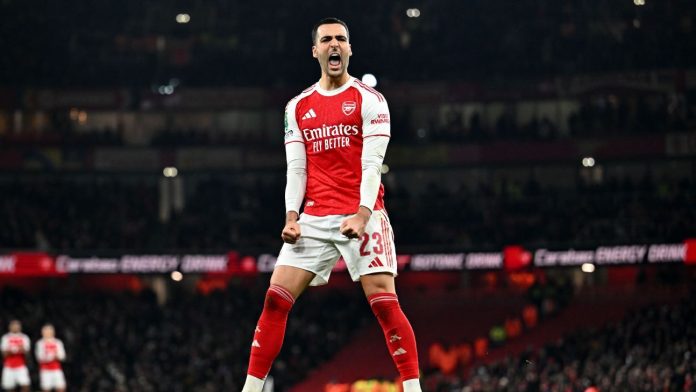
When Gyökeres picked up an injury in November, Arteta turned to his emergency striker: Mikel Merino. The Spaniard combined his midfield and forward traits, offering Arsenal more than a traditional No. 9 would.

Even with Gyökeres back from injury, there is enough evidence to suggest Merino is a serious candidate to start up front. Merino’s growth in the role in difficult matches helped make Arsenal’s attack look more fluid, dangerous and interchangeable, and he could well be their best option.

Here’s how Merino adds dynamism to Arsenal’s attack and helps solve their key issue, while the team figures out how to best use their £54 million signing.


How Merino’s movement transforms Arsenal

Last season, when Arsenal’s title challenge was hit by injuries and their set piece goals dried up, Arteta had a problem. Arsenal found it difficult to break down teams that sat in a low block, leading to many dropped points. Fulham, Everton, Brighton & Hove Albion, Nottingham Forest and West Ham United all took crucial points off the Gunners in a testing winter period.

The consensus was that signing a striker would solve this issue. Enter Gyökeres, whom Arsenal nabbed in the summer. However, the conundrum is more complex. It isn’t a goal-scoring issue; it is a chance-creation issue.

Darke’s Premier League flops so far: Isak, Sesko, Gittens lead the way
– O’Hanlon: Ranking Premier League transfer needs for top clubs in January
– Olley: Arsenal can dare to dream again after win vs. Aston Villa

Back in February, with attackers Kai Havertz, Bukayo Saka, Gabriel Martinelli and Gabriel Jesus all out injured, Arteta turned to Merino and converted him into a striker. Signed as a player who could win duels and do the things that might go unnoticed by fans, Merino was an instant success in his new role. He came on and scored two goals against Leicester City in his first covering shift at striker. Playing five more games in the position last season, he added two goals to his tally.

Now, with Arsenal once again title contenders and Gyökeres struggling, Merino could well be Arteta’s final piece of the jigsaw in attack.

Against Bayern Munich in the UEFA Champions League, amid a tough run of games in November, Merino’s qualities shifted the momentum Arsenal’s way in the second half. As Merino dropped deep into his own half or peeled off into midfield, center back Jonathan Tah followed him. The movement dragged Tah out of position and gave Merino’s teammates an extra man to pass to, creating space.

This space then allowed midfielders Declan Rice and Martín Zubimendi to act as two deep-lying playmakers, instead of one pushing up while the other dropped. Bayern had to press both, committing more forwards in the press, which meant Merino could receive the ball and progress the move.

Merino’s link-up play makes the rest of Arsenal’s attack more dangerous because it elevates the different profiles in the squad. Players can comfortably take up the positions they thrive in.

Against Bayern, Merino’s movement encouraged other Arsenal attackers to push up and pin back the German side’s defense. With two players centrally to pass to, Saka and Noni Madueke stretched the defense wide or made runs in behind, while fullback Myles Lewis-Skelly could act as a striker and occupy Bayern’s center backs.

When Tah stuck close to Merino and followed him deep, Arsenal could then look to go long and direct over the press.

Merino also frees up other Arsenal forwards who don’t have to do the legwork of getting the ball from defense into attack; instead, they can occupy dangerous positions centrally or wide. It’s almost like having another attacking midfielder in buildup, with the added advantage of the player being able to make darting runs into the box.

Sunderland provided a different challenge on Nov. 8. It felt like the first time this season a team had rattled Arteta’s men by flying into tackles. The Black Cats dropped off into a mid-to-low block to defend their lead, a tactic Arsenal struggled with last season.

When Arsenal fell behind, Merino’s runs without the ball were key in finding pockets of space. The former Real Sociedad midfielder’s forays wide allowed Saka to tuck into the half-spaces. His simple, effective movement is reminiscent of some of the best strikers in the world.

After dropping into midfield, Merino then ventures into the box to be a presence and compete against the center backs. Even if he isn’t the one to get on the end of the cross, because of his positioning, another player might.

Arsenal are still reaping the benefits of Merino’s midfield abilities; he has beneficially added the traits of a target man while moonlighting as a striker.


Comparing Gyökeres with Merino

Against Wolves, we saw the mismatch of Gyökeres’ and Arsenal’s style of play.

Rice and Zubimendi are in more advanced positions than they were with Merino at striker. Without enough players occupying the defensive line, Eberechi Eze is forced to join Gyökeres, who is making a run in behind.

This is something Gyökeres did often at Sporting CP, making darting runs in behind, but in truth, Arsenal have other players who operate better in those areas. His ideal positioning is in the middle as a goal-poaching center forward, putting chances away, but he hasn’t gelled with this Arsenal team just yet. Even though the Gunners passed the test against Aston Villa most recently, Gyökeres again lacked bite up front.

play

1:15

How Arsenal ‘proved a point’ in Aston Villa win

Jurgen Klinsmann calls Arsenal’s emphatic win over title rivals Aston Villa a “crucial psychological moment” in the Premier League race.

The signing was supposed to be the answer to picking the lock of deep defenses, but the best way for Arsenal to do that is when Merino keeps defenses guessing, allowing Arsenal’s other talented wingers to stretch defenses.

When push comes to shove, the Gunners will have to adapt to the way the striker plays, or he will have to drastically change his game. You get the feeling it will be the latter if this is to work.


What the stats say

It’s important to note that according to the teamwide statistics, Arsenal’s attack doesn’t appear to be more potent with the Spain international leading the line. This suggests that while Merino is brilliant at what he does, it doesn’t necessarily make the attack considerably better overall. Arsenal have more touches inside the box with Gyökeres on the pitch, and there has not been much difference in npxG/90 or goals scored with either player.

That’s not to say that Merino hasn’t surprised many by flourishing in the role — more so that he is good enough to be the leading striker without elevating the attack, as the stats are largely similar.

However, the overall contribution Merino provides to the team as a striker makes him a flexible, multifunctional choice. He provides more progressive passes, completes more defensive interventions and can dial into his midfield abilities by dropping into his own half. He’s the complete package.

Merino’s defensive interventions are crucial, as he covers gaps in midfield and can win the ball up front. The quick retrievals keep the pressure of their attack on. For Arsenal’s equalizer against Sunderland to make it 1-1, Merino led the press that put Sunderland under pressure, and Rice eventually won the ball.

When Arsenal are firing, all the cogs work together to make the wheel turn. It’s why Arteta has been given the squad depth to call upon a variety of different profiles mid-match.

Gyökeres is new to an unforgiving, ruthless, ever-changing league. Though the early signs seem as though he is struggling, time will tell whether he can offer something different up front. But in the meantime, why should Arteta rip up the tactical script to adapt to him when a viable option is in front of him?

Merino has proved he is a player who can do the business for Arsenal in big moments. He was switched to a striker in a catastrophe, but from every catastrophe arises an opportunity, and the midfielder-turned-striker has taken that opportunity with both hands.

Adam Mosseri on how Instagram exists in the age of AI-generated images

0


The key risk Instagram faces is that, as the world changes more quickly, the platform fails to keep up. Looking forward to 2026, one major shift: authenticity is becoming infinitely reproducible.

Everything that made creators matter-the ability to be real, to connect, to have a voice that couldn’t be faked-is now accessible to anyone with the right tools. Deepfakes are getting better. Al generates photos and videos indistinguishable from captured media.

Power has shifted from institutions to individuals because the internet made it so anyone with a compelling idea could find an audience. The cost of distributing information is zero.

Individuals, not publishers or brands, established that there’s a significant market for content from people. Trust in institutions is at an all-time low. We’ve turned to self-captured content from creators we trust and admire.

We like to complain about “AI slop,” but there’s a lot of amazing AI content. Even the quality AI content has a look though: too slick, skin too smooth. That will change – we’re going to see more realistic AI content.

Authenticity is becoming a scarce resource, driving more demand for creator content, not less. The bar is shifting from “can you create?” to “can you make something that only you could create?”

Unless you are under 25, you probably think of Instagram as feed of square photos: polished makeup, skin smoothing, and beautiful landscapes. That feed is dead. People stopped sharing personal moments to feed years ago.

The primary way people share now is in DMs: blurry photos and shaky videos of daily experiences. Shoe shots. and unflattering candids.

This raw aesthetic has bled into public content and across artforms.

The camera companies are betting on the wrong aesthetic. They’re competing to make everyone look like a pro photographer from 2015. But in a world where AI can generate flawless imagery, the professional look becomes the tell.

Flattering imagery is cheap to produce and boring to consume.

People want content that feels real. Savvy creators are leaning into unproduced, unflattering images. In a world where everything can be perfected, imperfection becomes a signal.

Rawness isn’t just aesthetic preference anymore — it’s proof. It’s defensive. A way of saying: this is real because it’s imperfect.

Relatively quickly, AI will create any aesthetic you like, including an imperfect one that presents as authentic. At that point we’ll need to shift our focus to who says something instead of what is being said.

For most of my life I could safely assume photographs or videos were largely accurate captures of moments that happened. This is clearly no longer the case and it’s going to take us years to adapt.

We’re going to move from assuming what we see is real by default, to starting with skepticism. Paying attention to who is sharing something and why. This will be uncomfortable – we’re genetically predisposed to believing our eyes.

Platforms like Instagram will do good work identifying AI content, but they’ll get worse at it over time as AI gets better. It will be more practical to fingerprint real media than fake media.

Camera manufacturers will cryptographically sign images at capture, creating a chain of custody.

Labeling is only part of the solution. We need to surface much more

context about the accounts sharing content so people can make informed decisions. Who is behind the account?

In a world of infinite abundance and infinite doubt, the creators who can maintain trust and signal authenticity – by being real, transparent, and consistent – will stand out.

We need to build the best creative tools. Label AI-generated content and verify authentic content. Surface credibility signals about who’s posting. Continue to improve ranking for originality.

Instagram is going to have to evolve in a number of ways, and fast.